From the Lake to the Sea: A Guide to the Most Popular Types of Kayaks

Choosing a kayak – easy right? Well, it sounds simple until you see all the options. Sit on top, sit inside, recreational, fishing, inflatable, whitewater, sea kayak… yikes. Each type is built for a different kind of water and purpose, and choosing the wrong one can make paddling feel harder, slower, or a lot less fun than it should.
The good news is that once you understand the basic kayak types, the decision gets a lot easier. Whether you want something stable for calm lakes, roomy enough for fishing gear, easy to haul, or built for longer days on bigger water, there’s a kayak made for that. This guide breaks down the most popular types of kayaks and how to choose the right one for where and how you want to paddle.
The Main Types of Kayaks You’ll See
Kayaks can look pretty similar from a distance, but they don’t all behave the same once they hit the water. A kayak that feels calm and steady on a small lake might feel slow on a longer route. One that’s built for speed might feel too narrow for a beginner. And a boat made for fishing gear, river rapids, or ocean chop has a very different job than one made for a lazy afternoon close to shore.
Length, width, seating style, storage, and hull shape all change how a kayak feels. So before you pick one, it helps to know what each type is really made for.
Recreational Kayaks: Easygoing Lake Boats
Recreational kayaks are the friendly, low-pressure option. They’re built for calm water like lakes, quiet coves, protected bays, and slow-moving rivers. If you’re new to kayaking or just want something simple for weekend paddles, this is usually the easiest place to start.
Most recreational kayaks are around 9 to 14 feet long and wider than other kayak types. That extra width helps them feel steady, while the larger cockpit makes it easier to get in and out. Many also have padded seats, simple storage, and enough comfort for a few relaxed hours on the water.
Most are made from durable polyethylene, which keeps them affordable and tough enough for bumps, scrapes, and dock run-ins. They’re great for day trips, casual paddling, and learning the basics without getting too deep into gear.
The trade-off is that they’re not built to go fast or far. They can feel slow over longer distances and may not track as straight in wind or chop. But for easy lake days, they’re hard to beat.
Touring Kayaks: Made to Cover More Water
Touring kayaks are for paddlers who want to go beyond the quick loop around the cove. They’re usually longer and narrower than recreational kayaks, which helps them glide better and track straighter over distance.
Most touring kayaks have sealed storage compartments for gear, extra layers, food, or camping supplies. Many also include a rudder or skeg to help keep the kayak on course in wind, current, or open water.
They’re a good fit for large lakes, bays, protected coastal areas, and longer paddling routes. Some are made for day trips, while larger touring kayaks can carry enough gear for overnight or multi-day paddling.
If you’re used to a wider recreational kayak, they may feel less stable at first. But once you get comfortable, they’re much better for speed, distance, and longer days on the water.
Sea Kayaks: Built for Bigger Water
Sea kayaks are made for open water, especially coastal areas with wind, waves, and currents. They’re usually long and narrow, often 16 feet or more, with a sharp bow that helps cut through waves instead of slapping against them.
Many sea kayaks are made from lighter materials like fiberglass or composite, though plastic models are common too. They often include sealed bulkheads, deck lines, hatches, and a skeg or rudder for better control in changing conditions.
Sea kayaks can take you to some incredible places, from rugged coastlines to island routes. But kayaking on the sea demands more from the paddler. If you’re heading into open water, you’ll need to understand weather, waves, navigation, and basic rescue techniques.
Sit-on-Top Kayaks: Easy On, Easy Off
Sit-on-top kayaks have an open deck, and as the name suggests, you sit on top of the kayak instead of inside a cockpit. That makes them feel simple, open, and easy to use, especially for beginners who don’t love the idea of being enclosed.
They’re easy to get on and off, and if you fall in, they’re usually easier to climb back onto than a sit-in kayak. Most have small drain holes called scuppers, so water can drain off the deck instead of collecting around you.
Sit-on-top kayaks are great for warm weather, fishing, swimming, family outings, and relaxed paddling near shore. Wider models can feel very stable, and the open deck gives you more freedom to move around.
The downside is that you’ll probably get wet – they’re more exposed to splashes and not as warm or protected in chillier weather. But for casual paddling in warm conditions, they’re one of the easiest kayak styles to enjoy.
Whitewater Kayaks: Short, Tough, and Quick
Whitewater kayaks are made for river rapids. They’re short, tough, and built to turn quickly in fast-moving water. This is not the kayak you’d choose for a peaceful lake paddle. It’s the one built for rocks, waves, drops, and quick decisions.
Most whitewater kayaks are under 9 feet long, and some playboats are even shorter. That compact shape makes them easier to maneuver through tight river features. They’re usually made from tough polyethylene so they can handle impact against rocks and shallow riverbeds.
There are different whitewater styles, too. Creek boats are built for steeper runs and drops, while playboats are made for tricks, spins, and surfing waves (which means, if you buy one to enjoy relaxing and fishing in, you’re not going to be happy, because it’ll be trying to spin, roll and do tricks while you’re just trying to fish…).
Whitewater kayaking can be a lot of fun, but it’s not something to jump into without training. You’ll need proper safety gear, including a helmet, personal flotation device, spray skirt, and rescue skills.
Fishing Kayaks: Stable and Gear Ready
Fishing kayaks are built to feel steady and carry gear. Most are sit-on-top models with extra width for stability, and some are wide enough to stand on while casting.
They’re designed with anglers in mind, so you’ll often see rod holders, tackle storage, gear tracks, baitwells, fish finder mounts, and space for a cooler or crate. Many also have more comfortable seats since fishing usually means spending longer stretches of time on the water.
Pedal drive fishing kayaks are popular because they let you move with your feet while keeping your hands free for casting, reeling, or holding position. Some fishing kayaks can even be fitted with small motors.
They’re best for lakes, ponds, slow rivers, and protected bays. The trade-off is that they’re usually heavier, slower, and harder to transport than a basic recreational kayak. But if fishing is the goal, the extra stability and storage are usually worth it.
Inflatable Kayaks: Easy to Store, Easy to Bring Along
Inflatable kayaks are a good option when storage and transport are the biggest hurdles. Instead of needing a roof rack, trailer, or garage space, they can pack down into a bag and fit in a closet, trunk, RV, or boat storage area.
They’re also more capable than a lot of people expect. Their wider, pontoon-like shape makes them feel stable, and better models can be used for recreation, fishing, travel, and even whitewater, depending on the design. Some higher-quality inflatable kayaks use drop stitch construction, which helps them feel more rigid once inflated.
The trade-off is that they take a little extra setup (also, the lower quality models will likely meet your low expectations). You’ll need to inflate and deflate them each trip, and they’re usually slower than hard-shell kayaks. They may also feel less precise in wind, current, or rougher water.
Punctures are possible, but many inflatable kayaks have multiple air chambers, so one leak doesn’t automatically end the day. A repair kit and the right pump are worth keeping with you. For paddlers who need something easy to store, haul, or travel with, inflatable kayaks can make a lot of sense.
How to Choose Your First Kayak
Finding the perfect kayak means honestly assessing where you’ll paddle, how you’ll kayak, how you’ll get it there, and what you can spend. Here’s how to narrow it down.
Consider Your Local Waters
- Small lakes and ponds: Recreational kayaks work perfectly. A 10–12 foot sit-on-top or sit-inside will keep you comfortable and confident on calm water.
- Large lakes and bays: Touring kayaks provide better performance over long distances, with storage for day trips and enough tracking ability to handle wind.
- Ocean access: Sea kayaks handle conditions safely with their sealed hull, sharp bow, and key features like skegs and deck lines. Don’t take a recreational kayak into open ocean – it’s not just what you need, it’s a safety issue.
- Rivers: Match kayak type to current speed and obstacles. Calm rivers suit recreational or touring boats. River rapids demand a proper whitewater kayak and training.
Some tandem kayaks can be paddled solo, giving you flexibility if you sometimes paddle with a partner and sometimes alone. And while only one person may paddle at a time in most kayaks, having one boat that serves double duty can save you money and storage space.
Don’t Spend the Whole Budget on the Kayak
The kayak is the main purchase, but it’s not the only thing you’ll need. A good setup doesn’t have to be complicated, but it should cover the basics before you get on the water.
At minimum, plan for:
- A paddle that fits your kayak type and paddling style
- A properly fitted personal flotation device
- Basic safety gear for the water you’ll be paddling
- A way to transport the kayak safely
- A place to store it when it’s not in use
Depending on how and where you paddle, you may also want:
- A dry bag
- Whistle
- Bilge pump
- Paddle leash
- Kayak cart
- Roof rack
- Dock rack or wall mount
- Rod holders, tackle storage, or electronics mounts for fishing kayaks
Used kayaks can be a good way to save money, especially with durable plastic models. Just check for deep cracks, warping, damaged seats, missing hardware, and signs of long-term sun damage before you buy.
The right paddle, safety gear, and storage system can make the difference between a kayak that gets used often and one that mostly sits around.
Make Sure You Can Actually Haul It
A kayak doesn’t just have to work on the water. It has to work with your vehicle, your storage space, your launch routine, and the way you’ll actually use it.
Weight matters more than people expect. A 10-foot recreational kayak may be easy enough for one person to load, while a wide fishing kayak with a pedal drive, raised seat, and extra gear can be a much bigger job. Length matters too, especially if you’re working with a smaller vehicle, limited garage space, dock storage, or a tight place to launch.
Before you buy, think through the full routine:
- Where will the kayak live when you’re not using it?
- Will you be loading it by yourself or with help?
- Are you hauling it on a roof rack, trailer, dock, or boat?
- How far will you need to carry it from the parking to the water?
- Will you need room for more than one kayak, paddleboard, or water toy?
If your trips usually start from your driveway, a roof rack, small trailer, or kayak cart may be the most practical setup. If you keep gear near the water, wall mounts or dock storage can help keep kayaks off the ground and out of the way. And if your kayak days usually happen from the boat, that’s where a boat-mounted rack can make a lot more sense than trying to stack bulky gear wherever it fits.
Manta Racks for Kayaks, Paddleboards, and Boat Gear
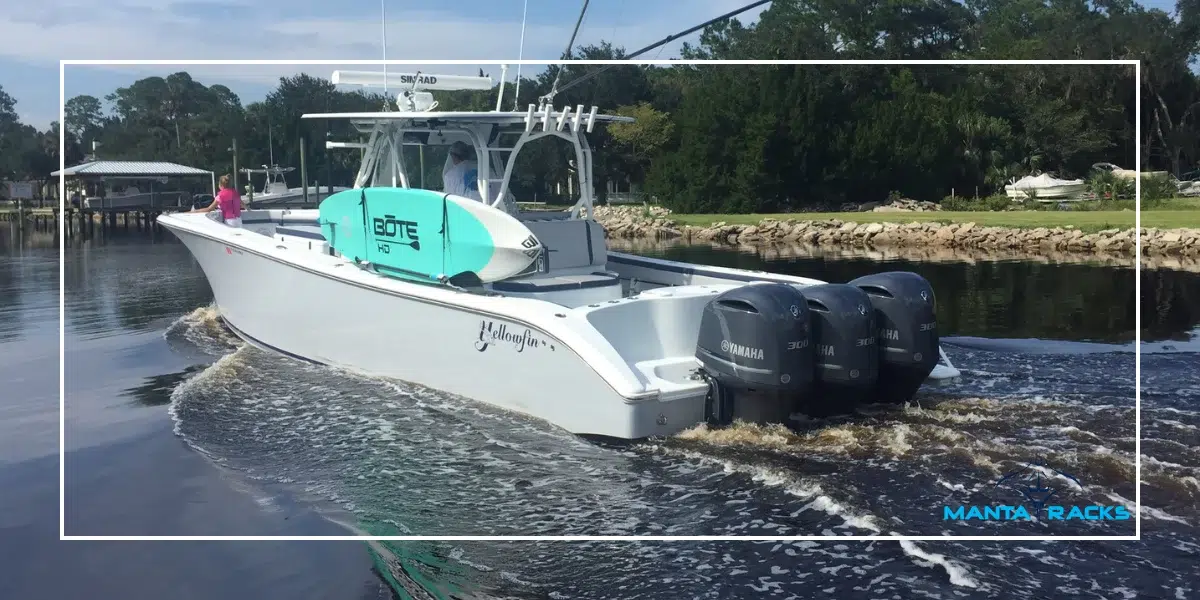
If you’re bringing kayaks, paddleboards, or other water gear on the boat, Manta Racks gives you a cleaner way to carry it without giving up deck space or letting everything slide around underfoot.
The right rack depends on what you’re hauling:
- L2K Kayak Rack: Best for carrying one kayak on your boat.
- S1 Paddleboard Rack: Best for carrying one paddleboard or SUP.
- S2 Paddleboard Rack: Best for carrying two paddleboards or SUPs.
- Dock and wall mounts: Helpful for storing compatible Manta Racks systems when they’re not on the boat.
- Other Manta Racks systems: Available for gear like floating mats, wakeboards, and waterskis.
That matters because kayaks and paddleboards take up more room than people think. A good rack keeps bulky gear secure, clears space for passengers, and helps protect your boat and kayak from scratches, shifting, and the general chaos that happens when everything is just set wherever it fits.
The easier your kayak is to load, store, and bring along, the more likely you are to actually use it. That part may not be as fun as comparing hull shapes, but it makes a big difference once the kayak is yours.
Final Thoughts on Choosing the Right Kayak
The best kayak isn’t always the fastest, most expensive, or most loaded with features. It’s the one that fits the water you’ll paddle most, feels comfortable for your skill level, and works with the way you’ll haul and store it.
For some paddlers, that means a simple recreational kayak for calm lake days. For others, it might be a fishing kayak with room for gear, a touring kayak for longer routes, or an inflatable kayak that’s easy to pack and bring along. Once you understand what each type is built for, the choice gets a lot less confusing.
Start with where you’ll paddle, think through how you’ll transport it, and make sure your setup is easy enough to use often. The right kayak should make getting on the water feel simpler, not harder.
Frequently Asked Questions
What’s the difference between sit-inside and sit-on-top kayaks?
Sit-inside kayaks have a closed cockpit that encloses the kayaker’s legs and lower body, keeping you drier and offering better control and maneuverability. Sit-on-top kayaks have an open deck with self-draining scupper holes – they won’t fill with water if flipped, and they’re easier to remount after capsizing. Sit-inside kayaks are better for cold weather and rough waters; sit-on-tops excel in warm water and for activities like fishing where mobility matters.
Which kayak type is best for beginners?
Recreational kayaks are the best choice for beginners. They’re typically shorter than 14 feet, wider for stability, and feature large cockpits for easy entry and exit. They prioritize stability, making them forgiving while you learn basic paddling techniques on calm lakes and slow rivers.
How do I transport my kayak safely?
A quality roof rack system is the safest and most convenient option. The Manta Racks L2K is designed to carry kayaks securely on your vehicle, with adjustable features that accommodate different hull shapes and sizes. Always use proper tie-down straps and check your load before driving.
Can I use a recreational kayak in the ocean?
It’s not recommended. Recreational kayaks lack the basic features needed for ocean conditions – no sealed bulkheads for buoyancy, limited tracking ability in waves, and insufficient freeboard for swells. For ocean paddling, you need a sea kayak with a sealed hull, rudder or skeg, and safety features designed for maritime environments.
What’s the best way to store my kayak?
Keep your kayak off the ground, out of direct sunlight, and supported evenly to prevent hull warping. Wall mounts and dock mounts from Manta Racks are ideal – they distribute weight properly and keep your kayak afloat above moisture and debris. Indoor storage is best, but covered outdoor mounts work well too.
Should I buy or rent when starting out?
Renting is a great way to try different types of kayaks before committing. Try a recreational kayak, a sit-on-top, and maybe a touring kayak on different water types. Once you know what you enjoy, buying makes financial sense – a well-maintained kayak lasts for nearly a decade or more, and having your own boat means you paddle whenever the mood strikes.