
How to Avoid the Ramp Rush & Launch a Boat Smoothly (Even Solo)
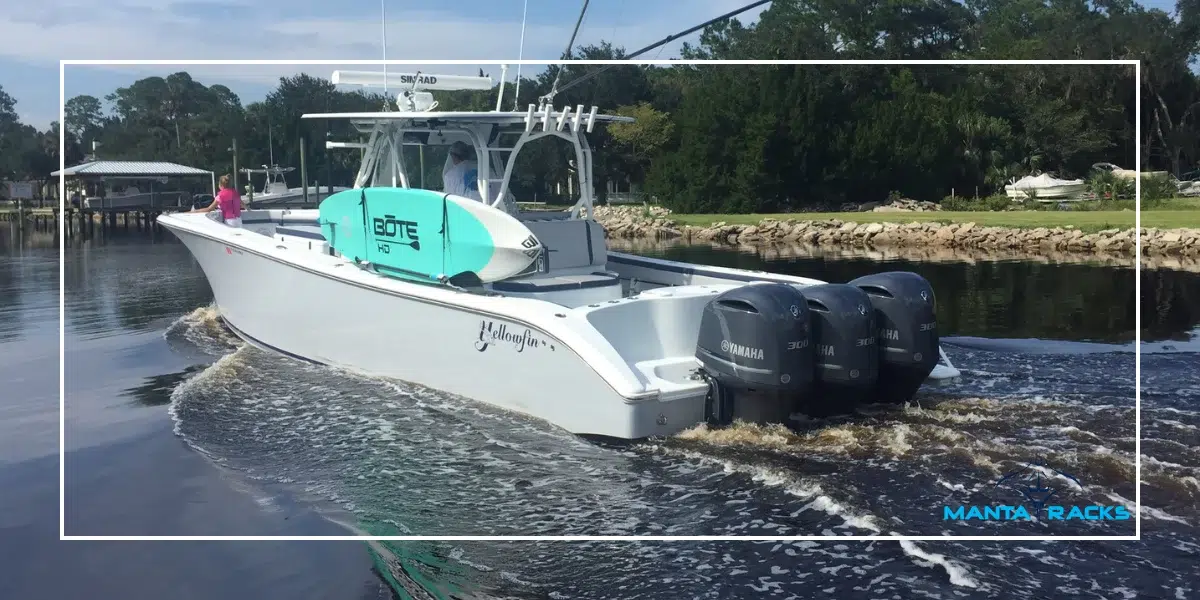
Boat ramps can get hectic fast. Long lines, busy weekends, and last-minute scrambling often make things more stressful than they need to be, but it doesn’t have to be that way. With the right timing, a little preparation, and a few proven techniques, you can skip the ramp rush and launch smoothly, whether you have a crew helping or you’re doing it on your own.
In this guide, you’ll cover how to:
- Avoid peak times and keep out of the ramp traffic jam
- Start your engine(s)
- Get everything staged and ready before you even back down
- Launch quickly and efficiently, solo or with a crew
- Steer clear of the common mistakes that slow everyone down
Follow these tips and your launch will feel less like a headache and more like the first step toward a great day on the water!
Know When the Ramp Is the Busiest
When it comes to avoiding the ramp rush, timing is everything. Weekends (especially in the morning), holidays, and tournament days are often the busiest times at boat ramps. Crowds also ramp up again near sunset when many boaters return all at once. Both windows can mean packed parking lots, long lines, and the pressure of other boaters waiting behind you.
Weekdays are generally less busy overall, but the quietest times to launch tend to be really early in the morning and midday to early afternoon once the morning crowd has cleared out. On weekends, aim for the window after lunch and before the evening crowd returns — that’s when you’ll usually find the least congestion.
Many ramps share tournament schedules or fishing derby dates on bulletin boards or online. Taking a quick look before you head out helps you avoid the busiest times. If you skip peak hours and aim for the quieter windows, launching is much easier and less hectic.
Start Your Engine
Before leaving your home, take the time to start your motor or motors. Even hook the water hose to the motor(s) and let them run for several minutes. Knowing that your motor(s) will start will prevent the embarrassment and frustration of finding out that your motor won’t start when your boat is in the ramp. Another recommendation before unhooking your boat from the trailer, while in the ramp, is to start your motor(s) and while the boat is still on the trailer. This will prevent having to reload your boat should your motor(s) not start.
Stage Everything Before You Queue Up
Nothing frustrates people at the ramp more than someone blocking it while they’re still strapping down coolers, untangling ropes, or digging for life jackets. Don’t be that person. That’s the spot to load your gear, take off the tie-downs, and run through a quick pre-launch checklist so you’re not scrambling under pressure.
Make sure the drain plug is in, safety gear is on board, your ropes and cables are ready, and your tow vehicle is positioned straight before backing down. The more you’ve staged ahead of time, the smoother (and faster) your launch will be.
Bottom line: prepping early not only keeps the line moving, keeps everyone happy, but also helps keep you safe and gets you on the water quicker.
Launching With a Crew
Launching a boat with a crew is much easier when everyone knows exactly what to do. The mistake a lot of people make is waiting until they’re already on the ramp to figure it out. Instead, assign roles before you even get in line so the process feels calmer and more organized.
One person should back the trailer. Another should handle the lines and make sure the boat’s secured. A third person should be ready to park the truck once the boat’s in the water.
Communication is what keeps the launch running smoothly. The driver can stay focused on backing the trailer straight into the water. The person on the lines should have ropes ready, secure the boat as soon as it floats free, and double check that it’s tied off properly. Once the truck’s parked, the driver rejoins the crew and helps finish the launch.
When everyone’s got a clear role, the whole process feels seamless. You’ll spend less time stressing at the ramp and more time enjoying the water.
How to Launch a Boat by Yourself (Without Holding Everyone Up)
Launching a boat by yourself takes some know-how, but it’s not as complicated as it looks once you’ve got a system. Preparation and practice can make the whole process a lot smoother. Here’s one routine you might try:
- Hold a long bow line (or make one wrap on a dock cleat) to control the boat as you back the trailer into the water—don’t hard-tie it to the trailer.
- Back in until the bunks/rollers are just submerged and the bow is over water. Keep the winch strap and safety chain on until this point.
- Unhook the winch strap and safety chain, then ease back a bit more until the boat floats.
- Guide the boat off the trailer using the bow line.
- Once the boat’s in the water, secure it to the dock as soon as you can.
It can also help to practice during quieter times, like weekday evenings, to get comfortable before dealing with a crowded ramp. Even spending a little time in an empty parking lot backing your trailer in and out of spaces can build muscle memory and make the real thing feel easier. The more you practice, the more confident you’ll feel — and that usually means less stress for you and fewer delays for others. Once the boat’s secured, you’ll want to park your truck quickly so the launch area stays clear.
Mistakes That Cause Ramp Jams
Common mistakes at the boat ramp can cause delays and plenty of frustration for everyone waiting in line. Forgetting the drain plug is one of the worst. As soon as the boat hits the water it starts filling up, and suddenly you’re scrambling to pull it back out and fix the problem, preventing you from launching your boat successfully.
Another mistake is loading gear while you’re already on the ramp. It slows everyone else down and makes it more likely you’ll forget something important. The staging area is the place to do that work before you back down.
Trailer alignment is another issue that causes jams. Most of the time it comes down to practice. The more comfortable you are backing your trailer straight into the water, the less stressful it’ll be when the ramp is crowded. It also helps to check your trailer lights before launching so you don’t run into problems when you’re under pressure.
Don’t forget to set your parking brake once your vehicle is in position to prevent any unwanted movement while you prepare to launch.
And then there’s one that’s easy to overlook — leaving your headlights on at dawn or at night. It blinds other boaters and makes it harder for them to see where they’re going. Switching them off takes just a second but makes a big difference.
Avoiding these common mistakes keeps the ramp running smoothly and makes the whole launch process easier on you and everyone else.
Gear That Makes Launching Easier
A lot of fumbling at the boat ramp comes down to clutter. When you’re trying to wrangle boards, coolers, fishing gear, and other loose items at the last minute, it’s easy to get overwhelmed and hold up the line. That kind of stress can take the fun out of the launch before you even get on the water. Manta Racks take some of that chaos away by making it easy to secure paddleboards, kayaks, and other bulky gear, so you’re not stuck juggling them while everyone is waiting.
Using the right gear, like our Manta Racks systems, makes the boat launch noticeably smoother and faster. Having big items like your paddleboards, wakeboards, kayaks, and floating mats locked into place frees up a ton of space in the boat and gives you room to move around as you prep. Keeping everything else organized and secured, including your winch strap, tie downs, and safety equipment, means you can stay focused on the launch itself instead of scrambling with last second details.
Investing in smart gear is one of those small steps that pays off in a big way. It reduces stress at the ramp, keeps the line moving, and helps you avoid mistakes that come from rushing. Most importantly, it gives you more time to enjoy your day on the water instead of dealing with launch hassles.
Bringing It All Together
Avoiding the ramp rush really comes down to preparation, timing, and organization. Knowing when the ramp is busiest, staging your gear ahead of time, and practicing your launch routine can make all the difference. Whether you’re launching with a crew or on your own, clear thinking and the right equipment help you launch quickly and efficiently.
The more consistent your routine is, the less stressful it feels. You’re not scrambling at the last second or holding up the line. That way you can start your day on the water in the right frame of mind.
Key strategies that keep the ramp moving smoothly include:
- If it’s the weekend, arrive early, ideally before 8 a.m.
- Start your engines before heading to the ramp
- Practicing launching and loading during less busy times so you’re ready for peak hours
- Minimizing tie-up time at the dock to help keep boat traffic flowing
With a little preparation and courtesy, you can skip the ramp panic and set yourself up for a smoother, safer, and more enjoyable day on the water.
Gear That Makes Launching Easier
A lot of fumbling at the boat ramp comes down to clutter. When you’re trying to wrangle boards, coolers, fishing gear, and other loose items at the last minute, it is easy to get overwhelmed and hold up the line. Manta Racks takes that stress away by securing paddleboards, kayaks, and other bulky gear so you’re not stuck juggling them while everyone is waiting.
Manta Racks products that make launching easier:
- S1 Paddleboard Rack: Holds one paddleboard securely so it’s not sliding around the boat or crowding the dock. Great for freeing deck space while you stage and launch.
- S2 Paddleboard Rack: Carries two paddleboards or multiple surfboards, keeping them organized and out of the way so you can focus on backing the trailer and handling lines.
- L2K Kayak Rack: Designed for one kayak or a large stand up paddleboard. Keeps big, awkward gear stable and out of your hands during launch.
- B2 Wakeboard and Waterski Rack: Stores wakeboards, kneeboards, and similar boards so they’re not stacked on seats or underfoot while you line up at the ramp.
- FM Floating Mat Rack: Secures a floating mat so it’s not flapping around or taking up deck space as you launch and clear the dock quickly. Read more about the Best Floating Mat Storage Rack for Boats here.
Using the right gear, like these Manta Racks Systems, makes every boat launch smoother and faster. Having your paddleboards, kayaks, and other equipment locked into place frees up space in the boat and gives you room to move as you prep. Keeping everything else organized and secured, including your winch strap, tie downs, and safety equipment, lets you stay focused on the launch instead of scrambling with last second details. Manta Racks
Frequently Asked Questions
How do you launch a boat?
To launch a boat, first make sure your drain plug is securely installed and all gear is loaded and ready. Before backing down, make sure the trailer is straight behind your vehicle. Back your vehicle and trailer slowly down the boat ramp, keeping them straight and aligned. Stop when the boat floats free from the trailer, apply the parking brake and put the vehicle in park, start the boat’s motor, then release the winch strap and guide the boat off using a bow line. Secure the boat to the dock with dock lines, then move your vehicle and trailer to the designated parking area.
What are the peak times to avoid at a boat ramp?
The busiest times are usually weekend mornings, especially on holidays or during fishing tournaments. If you want a quieter experience, aim to arrive early or wait until later in the afternoon after the rush dies down.
How can I prepare my boat before reaching the ramp?
Do all your prep in the staging area before you back down the ramp. Load your gear, remove tie down straps, install the drain plug, and double check that your safety gear is ready. Having everything squared away ahead of time makes the launch faster and far less stressful.
What are some common mistakes that cause ramp jams?
Forgetting the drain plug, loading gear while on the ramp, and struggling with trailer alignment are some of the biggest culprits. The motor won’t start. Leaving headlights on at dawn or at night is another mistake since it blinds other boaters.
How can I launch a boat by myself without holding everyone up?
One simple method is to tie a long bow line to the trailer or dock. Back in until the boat floats, guide it off with the line, secure it to the dock, and then park your truck. With practice, you can launch solo smoothly and without slowing anyone else down.
What gear can help make launching a boat easier?
Smart gear like Manta Racks keeps paddleboards, kayaks, and other bulky items secured and out of the way. By keeping your boat organized and clutter free, you can focus on the launch instead of juggling gear at the last second.